
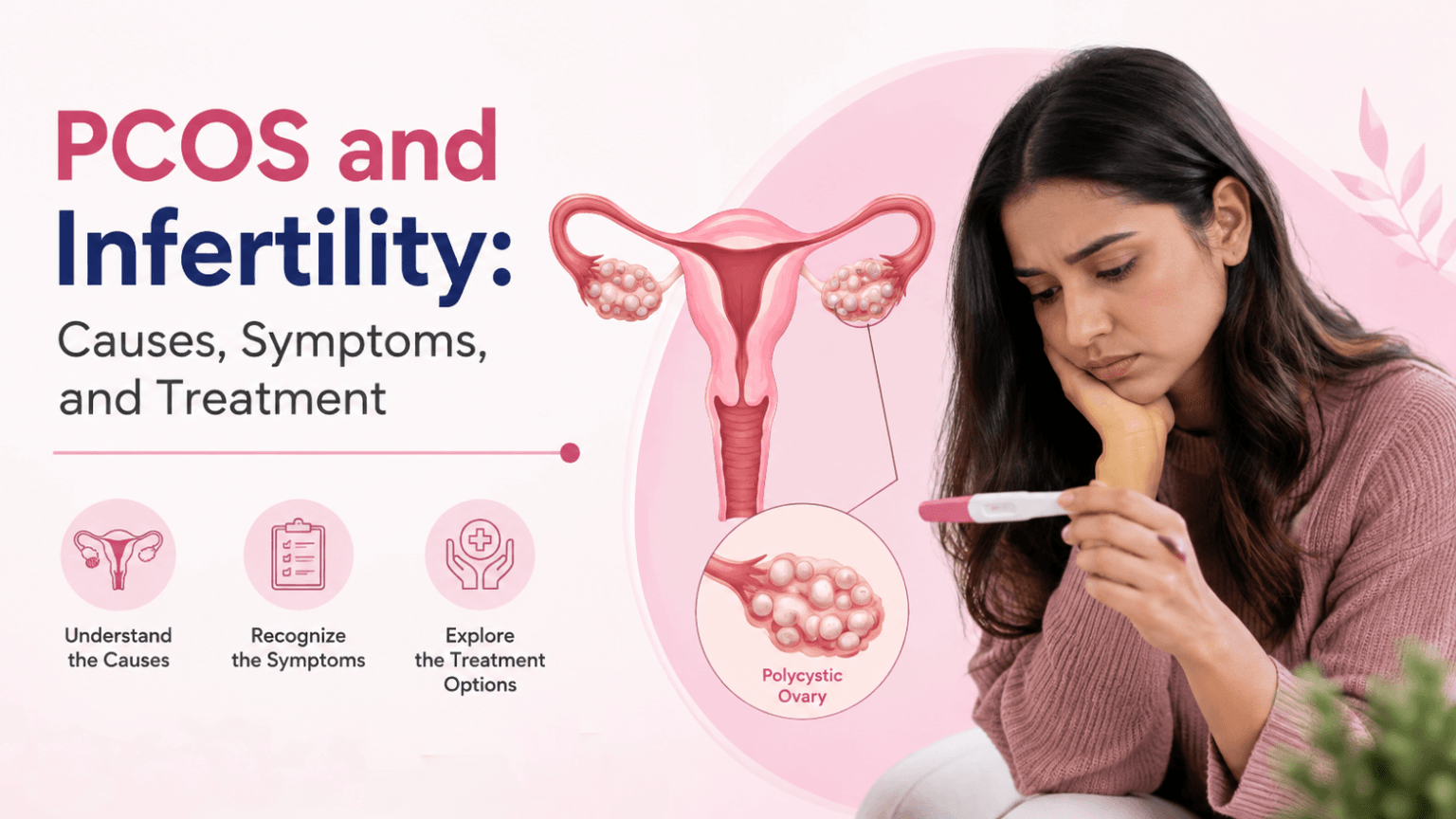
Polycystic Ovary Syndrome (PCOS) is one of the most common hormonal disorders affecting women of reproductive age. If you have recently been diagnosed with PCOS, you may be wondering: Can PCOS cause infertility? The answer is yes, but it is important to know that PCOS-related infertility is treatable. With the right diagnosis, lifestyle changes, medications, and advanced fertility treatments, many women with PCOS successfully conceive and enjoy healthy pregnancies.
Understanding the connection between PCOS and infertility can help you take the right steps toward building your family. Early diagnosis and expert medical care significantly improve the chances of pregnancy.
Polycystic Ovary Syndrome (PCOS) is a hormonal condition that affects how the ovaries function. Women with PCOS often have an imbalance of reproductive hormones, which interferes with the normal growth and release of eggs.
Common symptoms of PCOS include:
Not every woman experiences the same symptoms, and the severity varies from person to person.
The short answer is yes. One of the biggest concerns associated with PCOS infertility is irregular or absent ovulation.
During a normal menstrual cycle, the ovary releases a mature egg every month. In women with PCOS, hormonal imbalance often prevents the egg from maturing properly. As a result, ovulation may occur infrequently or not at all, making it difficult to conceive naturally.
However, having PCOS does not mean pregnancy is impossible. Many women with infertility due to PCOS become pregnant with appropriate treatment and fertility support.
Understanding how PCOS affects fertility can help women seek timely treatment.
The most common reason for infertility in women with PCOS is irregular ovulation. Without regular egg release, fertilization cannot occur consistently.
Higher levels of androgens (male hormones) interfere with the development of healthy eggs, reducing fertility.
Many women with PCOS also have insulin resistance. Elevated insulin levels increase androgen production, worsening hormonal imbalance and affecting ovulation.
Being overweight can make hormonal disturbances more severe, while maintaining a healthy weight often improves ovulation and fertility.
Although not every woman experiences this issue, prolonged hormonal imbalance may affect egg quality in some cases.
These factors together explain the strong connection between PCOS and fertility challenges.
If you have PCOS and are trying to conceive, you should consult a fertility specialist if you experience:
Early evaluation allows doctors to recommend the most suitable PCOS infertility treatment before complications increase.
The good news is that several effective treatments are available today. The ideal PCOS treatment for fertility depends on your age, medical history, and overall reproductive health.
Lifestyle improvement is often the first step in fertility treatment for PCOS.
Doctors usually recommend:
Even losing 5 to 10 percent of body weight may restore regular ovulation in many women.
Fertility specialists commonly prescribe medications that stimulate ovulation.
These medicines encourage the ovaries to release mature eggs, increasing the chances of natural conception.
Regular ultrasound monitoring helps determine the ideal time for intercourse or further fertility treatment.
For women with insulin resistance, medication combined with dietary changes may improve hormone levels and restore regular menstrual cycles.
Better insulin control often improves ovulation naturally.
If ovulation medications alone are unsuccessful, doctors may recommend IUI.
During this procedure, specially prepared sperm is placed directly into the uterus during ovulation, improving the likelihood of fertilization.
IUI is a commonly recommended option for couples dealing with PCOS infertility.
For women who do not respond to medications or IUI, IVF may offer the highest success rates.
In IVF:
Modern IVF techniques have significantly improved pregnancy outcomes for women experiencing infertility due to PCOS.
For some women, yes.
Women with mild PCOS often begin ovulating regularly after adopting healthier habits. Balanced nutrition, regular exercise, weight management, and stress reduction positively affect hormone levels.
However, if pregnancy does not occur after several months of lifestyle improvement, medical evaluation is recommended to identify the most appropriate PCOS infertility treatment.
Finding an experienced fertility center plays an important role in successful treatment.
When selecting the Best Fertility Hospital, look for:
Access to advanced Fertility Hospital Facilities in Vadodara ensures patients receive complete fertility care under one roof.
If you are looking for expert care for PCOS and infertility, Safal Infertility & Laparoscopy Hospital offers compassionate, evidence-based fertility treatment tailored to each patient. Our experienced fertility specialists carefully evaluate every case and create individualized treatment plans based on your health, reproductive goals, and medical history.
With advanced diagnostic technology, modern fertility treatments, experienced embryologists, and state of the art Fertility Hospital Facilities in Vadodara, we are committed to helping couples achieve their dream of parenthood. Whether you require ovulation induction, IUI, IVF, or comprehensive fertility counseling, our dedicated team supports you throughout your fertility journey with personalized care and clinical excellence.
Receiving a diagnosis of PCOS can feel overwhelming, but it does not mean your dream of becoming a parent is out of reach. Although PCOS and infertility are closely connected, advances in fertility medicine have made pregnancy possible for countless women.
If you have been wondering can PCOS cause infertility, remember that early diagnosis, healthy lifestyle changes, and timely fertility treatment greatly improve your chances of conception. Consulting experienced fertility specialists can help you choose the right treatment and move confidently toward a successful pregnancy.