When couples begin their fertility journey, they often focus on hormones, egg quality, sperm count, and advanced fertility treatments. However, one crucial factor is frequently overlooked: blood health.
Imagine preparing the perfect environment for a seed to grow. Even if the seed is healthy, it cannot thrive without nutrient-rich soil. Similarly, a healthy embryo needs a well-nourished body with adequate oxygen and nutrients to implant and develop successfully.
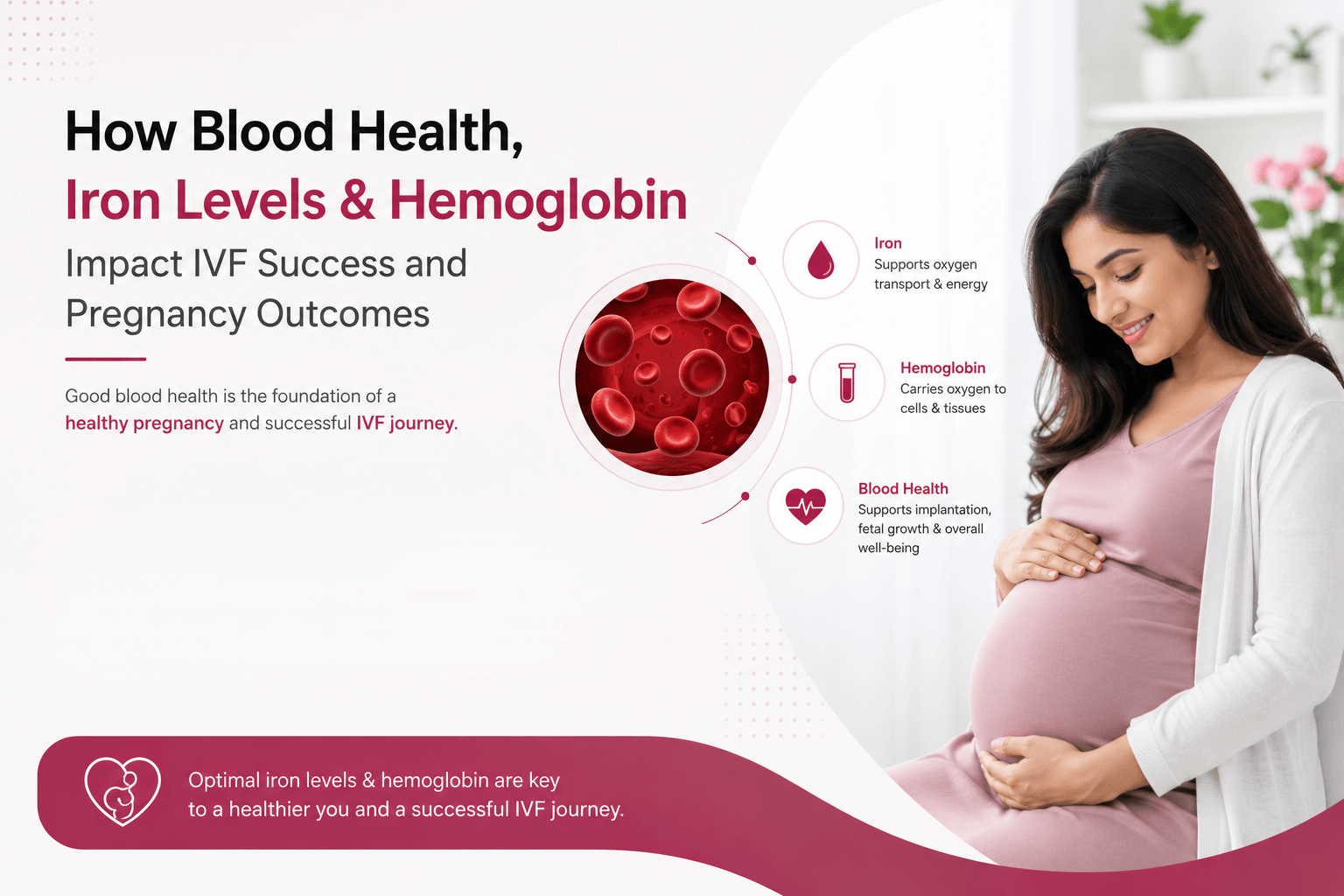
This is where hemoglobin levels before IVF, iron stores, and overall blood health play a vital role. Many fertility specialists now recognize that optimizing blood health can significantly improve treatment outcomes and support a healthy pregnancy.
In this article, we’ll explore the connection between hemoglobin and IVF success, why iron matters for fertility, and how couples can prepare their bodies for the best possible outcomes.
Hemoglobin is a protein found in red blood cells that carries oxygen throughout the body. Every organ, tissue, and reproductive cell relies on oxygen to function properly.
When hemoglobin levels are low, the body’s ability to transport oxygen decreases. This condition, commonly known as anemia, can affect:
For women planning IVF treatment, maintaining healthy hemoglobin levels is especially important because reproductive organs require a steady oxygen supply to function optimally.
This is why fertility specialists often evaluate hemoglobin levels before IVF as part of a comprehensive fertility assessment.
Iron is essential for producing healthy red blood cells and maintaining adequate hemoglobin levels.
Unfortunately, iron deficiency is one of the most common nutritional deficiencies among women of reproductive age.
Research has shown a strong relationship between iron levels and fertility. Women with low iron stores may experience:
Even women who appear healthy may have low iron reserves without obvious symptoms.
Because of this, many fertility experts recommend evaluating iron status during a fertility assessment for couples before beginning treatment.
One of the lesser-known IVF success factors is the body’s ability to support embryo implantation and pregnancy.
When iron deficiency is present, the body may struggle to:
Egg maturation requires proper nutrition and oxygen delivery. Low iron levels can negatively affect the environment in which eggs develop.
A thick and receptive uterine lining is essential for embryo implantation. Poor blood health may compromise the endometrium’s ability to support a growing embryo.
Early pregnancy places increased demands on the mother’s blood supply. Women entering IVF treatment with low hemoglobin levels may face greater challenges during the first trimester.
Addressing iron deficiency and fertility concerns before IVF can help create a healthier foundation for treatment and pregnancy.
The relationship between blood health and IVF extends beyond iron and hemoglobin alone.
Comprehensive blood health includes:
Together, these components ensure that reproductive organs receive the oxygen and nutrients needed to function effectively.
During an IVF consultation in Vadodara, fertility specialists often recommend blood investigations to identify deficiencies that could impact treatment outcomes.
Correcting these issues before starting IVF can improve overall reproductive health and prepare the body for pregnancy.
Many individuals are unaware that they have low iron levels because symptoms often develop gradually.
Common warning signs include:
If you’re planning fertility treatment and experiencing any of these symptoms, discussing them with a Best Fertility Doctor can be an important first step.
The good news is that many blood health issues can be corrected with proper medical guidance.
Include foods such as:
Vitamin C helps the body absorb iron more efficiently.
Good sources include:
In some cases, dietary changes alone may not be enough. Your fertility specialist may recommend:
Every patient is different, which is why personalized care is essential.
Successful fertility treatment involves much more than addressing reproductive organs alone.
A complete fertility assessment for couples evaluates:
Identifying and correcting these factors before treatment can improve overall fertility potential and help couples move forward with greater confidence.
For couples planning fertility treatment, expert guidance can make a significant difference.
At Safal IVF & Laparoscopy Centre, patients receive comprehensive fertility evaluations that focus not only on IVF procedures but also on optimizing overall health before treatment begins.
Recognized as a Best IVF Center in Vadodara, the center emphasizes evidence-based fertility care, personalized treatment planning, and advanced reproductive technology.
Couples looking for a Fertility doctor visit in Vadodara can benefit from detailed consultations, diagnostic evaluations, and individualized recommendations designed to maximize treatment success.
With modern infrastructure, experienced specialists, and advanced Fertility Hospital Facilities in Vadodara, Safal IVF continues to support countless couples on their journey toward parenthood.
While IVF technology has transformed fertility treatment, the foundation of success still begins with overall health.
Healthy blood circulation, adequate iron stores, and optimal hemoglobin levels can significantly influence reproductive health, embryo implantation, and pregnancy outcomes.
If you’re considering fertility treatment, don’t overlook the importance of blood health. A timely pre IVF consultation in Vadodara and a thorough medical evaluation can help identify hidden deficiencies and improve your chances of success.
At Safal IVF & Laparoscopy Centre, one of the Best Fertility Hospitals in Vadodara, expert specialists work closely with couples to address every factor that contributes to successful conception and a healthy pregnancy because every parenthood journey deserves the strongest possible start.